
Why you need a
Waterproofing Consultation
Waterproofing is both a science and an art, requiring a careful blend of technical expertise, precise material selection, and an understanding of environmental conditions. It is not just about applying a waterproofing product but about designing a system that effectively protects structures from water-related damage over time. This is where a waterproofing consultant becomes indispensable. A consultant brings specialized knowledge, evaluates the unique needs of each project, and ensures the implementation of the right solutions. A consultant not only safeguards the structure’s longevity but also prevents costly repairs, making them an essential partner in any construction or renovation project.

COMPREHENSIVE
EXPERTISE

SYSTEMATIC
APPROACH

PROBLEM
SOLVING

LONG-TERM
BENEFITS
Key Aspects of Waterproofing Consultancy
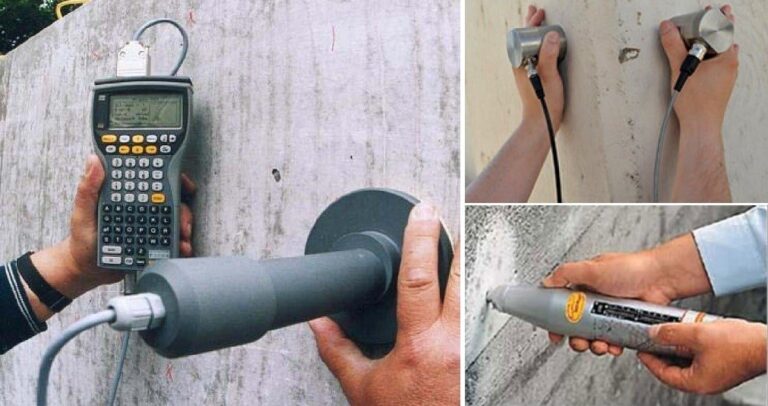
Site Inspection & Assessment:
We conduct a thorough inspection of the building or structure to assess existing waterproofing conditions and identify potential vulnerabilities. Our examine areas such as roofs, basements, foundations, walls, balconies, and bathrooms to determine the extent of waterproofing requirements.
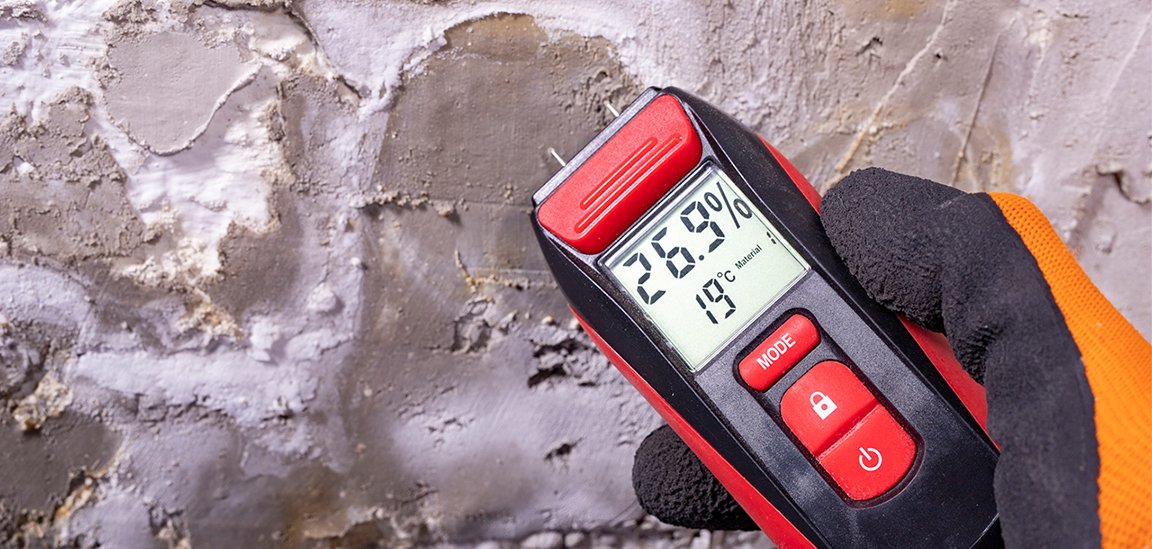
Waterproofing System Design:
Based on the site assessment, consultants develop tailored waterproofing system designs that address the specific needs and challenges of the building or structure. We consider factors such as building type, climate, water table levels, architectural features, and construction materials. Our Consultant select appropriate waterproofing materials, methods, and techniques to provide effective and long-lasting solutions.
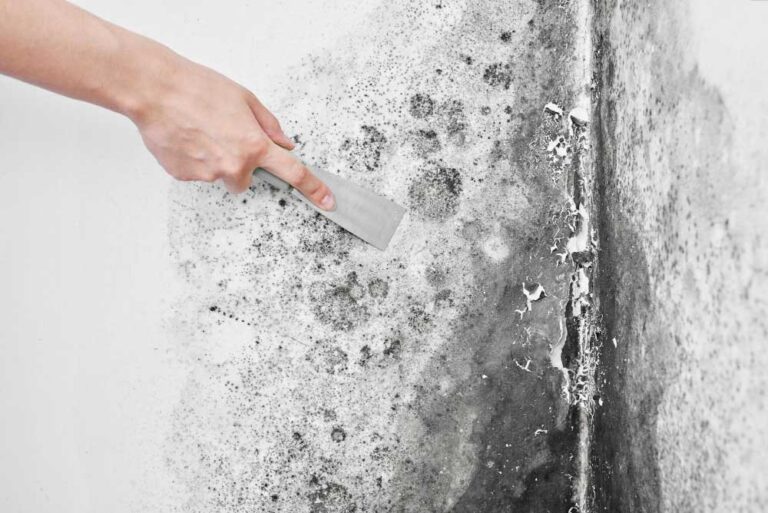
Material Selection:
We guide clients in selecting the right waterproofing materials for their specific applications. We consider factors such as the type of substrate, exposure to moisture, durability requirements, and compatibility with existing construction materials. Consultants may recommend materials such as liquid-applied membranes, sheet membranes, bitumen-based coatings, crystalline waterproofing, or polyurethane injections, among others.
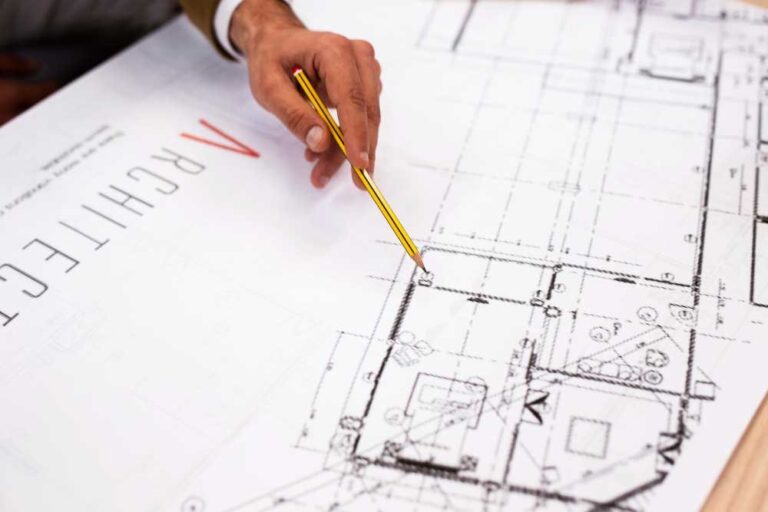
Construction Specifications and Drawings:
We prepare detailed construction specifications and drawings that outline the waterproofing requirements, methods, and installation guidelines. These documents provide clear instructions to contractors and ensure that the waterproofing system is implemented correctly. Consultants may also assist in reviewing bids and selecting qualified contractors for the waterproofing work.

Quality Control and Inspection:
We oversee the implementation of the waterproofing system to ensure adherence to the design specifications and industry standards. We conduct regular inspections during the construction phase to verify the quality of workmanship, proper installation of materials, and compliance with waterproofing techniques. Consultants address any deviations or deficiencies and provide recommendations for corrective actions.

Maintenance and Repair Guidance:
We offer guidance on the maintenance and repair of waterproofing systems to ensure their long-term performance. We provide recommendations for regular inspections, maintenance procedures, and timely repairs. Consultants assist clients in developing maintenance programs and schedules to prevent water-related issues and prolong the lifespan of the waterproofing system.

Compliance with Building Codes and Standards:
We ensure that the waterproofing design and installation comply with relevant building codes, regulations, and industry standards. They stay updated on local building codes, waterproofing guidelines, and best practices. Consultants help clients navigate the regulatory landscape and ensure that the waterproofing work meets the necessary requirements and obtains the required certifications.

Warranty and Guarantee Evaluation:
We assist clients in evaluating warranty and guarantee options provided by waterproofing contractors or manufacturers. They review warranty terms and conditions, assess coverage, and provide advice on selecting reliable and reputable waterproofing suppliers or contractors. Consultants help clients make informed decisions regarding warranty agreements for their waterproofing systems.
Step-by-Step Consultation System
Step 1: Site Evaluation
- Client Briefing: Understand symptoms (damp patches, peeling paint, mould, cracks)
- Zone-wise Visual Check:
- Terrace
- External Walls
- Toilets & Bathrooms
- Kitchen Sinks & Utility
- Basements
- Water tanks & Retaining Walls
- Documentation:
- Property Age & Structural Details
- Construction History or Past Repairs
- Existing Coatings or Treatments
Step 2: Technical Diagnosis
- Moisture Meter Readings – Quantify internal dampness
- Infrared Thermal Imaging – Identify hidden leaks
- Crack Mapping & Width Measurement
- Slab Slope Analysis (terraces/balconies)
- Core Cutting (if applicable) – Sample slab/core for internal seepage review
Step 3: Reporting & Recommendations
- Issue Categorization:
- Rising Damp / Capillary Action
- Pressure-Based Infiltration (negative side)
- Surface Penetration
- Cause & Effect Mapping with annotated photos
- Solution Matrix:
- Bathrooms: Epoxy Grouting, Injection Grouting
- Terraces: PU or Acrylic Coating with Slope Correction
- Basements: Crystalline Waterproofing (Xypex, Vandex)
- External Walls: Skora Transparent Breathable Coating
- Issue Categorization:
Step 4: Cost Estimate & Phasing
- BOQ Preparation:
- Square footage
- Surface preparation required
- No. of layers, primers, coats
- Material/Brand Options: BPChem, Dr. Fixit, MYK Arment, Sika, Fosroc, Vandex, skora
- Execution Plan:
- Timeline per zone
- Optional AMC inclusion
- Warranty and recheck intervals
- BOQ Preparation:
Step 5: Execution Support (Optional)
- BPChem Partner Applicators (Verified)
- Work Supervision:
- Progress checks at milestones
- Final QC visit post-application
- Post-Work Audit:
- Moisture recheck
- Visual finish evaluation
- Customer sign-off
Benefits to Customers
- Accurate detection of problem sources
- Transparent comparison of multiple waterproofing systems
- Peace of mind with 3rd-party certified consultation
- Up to 10-year waterproofing warranties when executed via certified teams
Deliverables to Client
- Inspection Report with Visuals & Recommendations
- BOQ with Material & Labour Cost Estimate
- Execution Timeline + Warranty Terms
- Post-treatment Checklist
BPchem Waterproofing –
site evaluation process
01
Client Briefing & Problem Statement
• Initial interaction with the client (owner, PMC, architect, or builder) • Understand history of leakage or seepage • Discussion on previous treatments (if any), waterproofing failures, and service expectations
02
Site Walkthrough & Zone Mapping
• Break the property into waterproofing zones: • Terrace / Podium • External Walls • Toilets & Bathrooms • Water Tanks (OHT/UGT) • Swimming Pools & Jacuzzis • Basements / Rafts / Retaining Walls • Expansion Joints • Balconies, Canopies, Pergolas • Utility Areas & Kitchens
03
Substrate Assessment (Per Zone)
For each zone, assess: • Substrate Type: RCC, masonry, plastered surface, tile, stone, etc. • Condition: New or old surface, hairline or active cracks, undulations • Drainage / Slope: Poor slope can lead to water accumulation • Existing System Check: Whether any prior waterproofing has been done and what failed • Exposure Level: Sunlight, water retention, foot traffic, chemical attack, etc.
04
Testing & Tools Used
• Moisture Meter – Check moisture retention level on walls/floors • Infrared Thermal Camera – Detect hidden leaks or thermal bridging • Water Ponding Test (for new slabs) – Confirm slope and drainage • Core Cut Sample (optional) – In case of structural seepage • Screwdriver Tap Test – For hollow sounding plaster or delamination • Crack Width Measurement – Determine whether flexible or rigid system is required
05
Detailed Documentation
• Site sketches or layout markings • Photos per zone with labels • Annotated problem map (highlight active vs. preventive areas) • Note access challenges, working hours, material staging feasibility
06
Surface Preparation Requirements
• Demolition required? (for old tiles or failing systems) • Grinding/sanding level • Crack filling • Expansion joint sealant preparation • Primer coat compatibility
07
Technical Recommendations (Post Evaluation)
• System recommendation with layering plan: o Primer → Waterproofing Coat(s) → Screed / Top Coat / Tiles • Material suggestions based on site: o PU coating for terraces o Acrylic + UV topcoat for walls o Cementitious for toilets o Crystalline for basements (Vandex/Xypex) o Injection grouting for expansion joints • Quantity estimation (sqm), labour estimate, time, and curing methods
08
Client Discussion
• Explain the science behind suggested systems • Offer options: basic vs. advanced systems with pros/cons • Share previous project references and warranties offered