
“Detect Early. Treat Right. Build to Last.” – The BPT Way
Understanding Non-Structural Cracks in Concrete: Types, Causes & Impacts
Concrete is the backbone of modern construction — strong, versatile, and durable. Yet, even the most well-designed concrete surfaces often show cracks. While some cracks are structural and demand urgent attention, others are non-structural cracks caused by environmental, chemical, or material behavior.
Non-structural cracks may not immediately affect the strength or stability of a structure, but they do compromise aesthetics, durability, and long-term performance. At BPT Group (through BPChem and BPHomes), we specialize in identifying, classifying, and treating these cracks before they evolve into serious problems.
🔎 Types of Non-Structural Cracks in Concrete
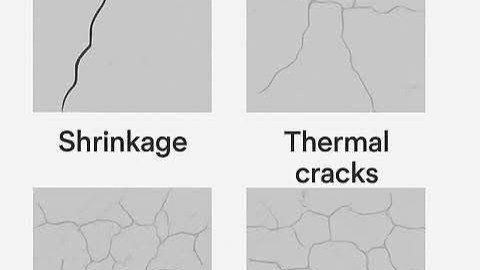
1️⃣ Shrinkage Cracks
- Cause: Water used in concrete evaporates after placement and curing, causing volume reduction (shrinkage).
- Where Found: Slabs, pavements, plastered surfaces.
- Impact: Fine, uniform cracks that reduce surface finish and invite water ingress.
2️⃣ Thermal Cracks
- Cause: Temperature fluctuations make concrete expand in heat and contract in cold. Without proper joints, stresses cause cracks.
- Where Found: External walls, roofs, bridge decks, water tanks.
- Impact: Medium-to-wide cracks that can allow seepage and weaken waterproofing layers.
3️⃣ Crazing Cracks
- Cause: Rapid drying of the surface (often due to poor curing, windy conditions, or high cement content) while underlying layers remain plastic.
- Where Found: Top layer of slabs, pavements, or plaster.
- Impact: Shallow, hairline cracks forming a hexagonal “crazing” pattern. Though not structurally serious, they spoil aesthetics and invite dust and dirt.
4️⃣ Map Cracks (Mapping / Spider Web Cracks)
- Cause: Improper curing, alkali-aggregate reactions, or repetitive temperature variations.
- Where Found: Wall and slab surfaces, especially large exposed areas.
- Impact: Irregular, interconnected cracks resembling a map or spider web. Over time, they lead to seepage and deterioration.
💡 Why Non-Structural Cracks Should Not Be Ignored
Even though they don’t directly threaten the stability of a building, these cracks:
- Reduce visual appeal of surfaces.
- Act as entry points for moisture, chemicals, and salts.
- Accelerate steel reinforcement corrosion.
- Lead to expensive repairs if left untreated.
🛠️ How BPT Group Addresses the Issue
- BPHomes (Inspection Division):
- BPChem (Repairs & Waterproofing Division):
🌟 Conclusion
Cracks are not just surface flaws — they are signals of how concrete is behaving under environmental and usage conditions. By identifying and addressing non-structural cracks early, homeowners, builders, and facility managers can save time, money, and future headaches.
At BPT Group, our combined expertise of BPHomes inspections and BPChem repair solutions ensures that every building remains durable, safe, and beautiful for decades to come.
✨ “Detect Early. Treat Right. Build to Last.” – The BPT Way ✨
Dr Balaji Singh
Founder & CEO
BPT Group